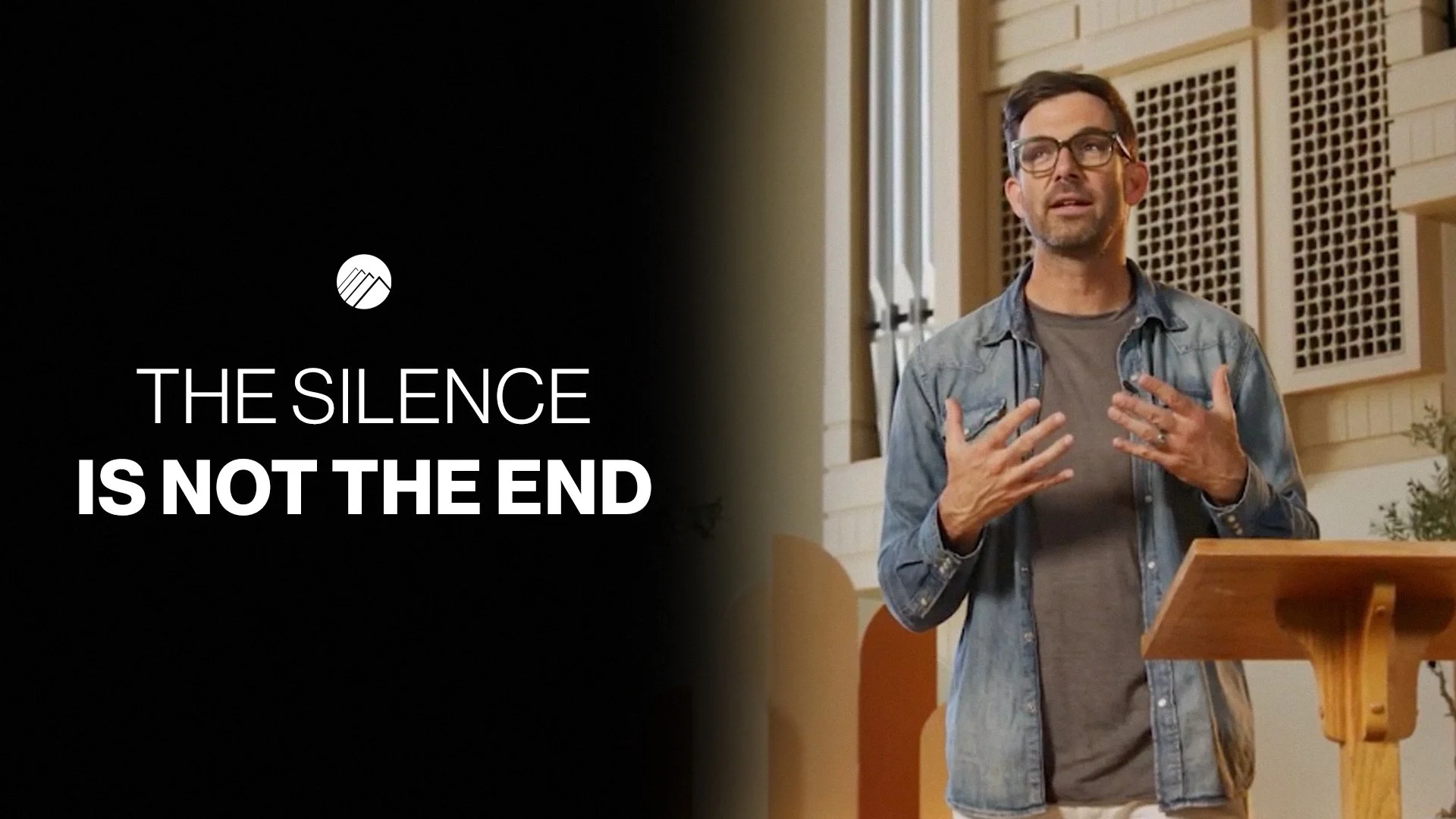
There are seasons in life when the soundtrack of our faith seems to disappear.
Prayers feel unanswered. Worship feels difficult. Joy feels distant. We still believe in God, but His presence can feel harder to recognize than it once did.
The Bible speaks directly to these experiences. In Psalm 42, the psalmist openly admits his spiritual thirst, sorrow, and longing for God. Rather than pretending everything is fine, he gives voice to his pain: “My tears have been my food day and night” (Psalm 42:3). Yet even in the middle of that struggle, he continues turning toward God.
The answer Scripture offers is both simple and profound: trust God by remembering His faithfulness, speaking truth to your soul, and holding onto hope even before your circumstances change.
Faith is not the absence of sorrow. Faith is choosing to keep turning toward God in the middle of it.
If you are walking through a season where God feels silent, Psalm 42 reminds us that beneath the silence is a deeper song, the steadfast love of God that continues to surround us even when we cannot hear it clearly.
What Does Psalm 42 Teach About Spiritual Dryness?
Psalm 42 teaches that spiritual dryness is a normal part of the journey of faith and not a sign that God has abandoned you.
The psalm opens with one of the most recognizable images in Scripture:
“As the deer pants for streams of water, so my soul pants for you, my God.” (Psalm 42:1)
This is not a picture of peaceful devotion. It is a picture of desperation.
The deer is not casually looking for water. It is thirsting for survival.
The psalmist describes a season where God's presence feels absent. His tears have become his food. Questions fill his mind. Others even ask him, “Where is your God?”
Many believers experience similar seasons.
Grief after losing a loved one
Disappointment after unanswered prayer
Exhaustion from caregiving
Loneliness
Depression or anxiety
Spiritual burnout
Psalm 42 reminds us that these experiences are not evidence of weak faith. They are often part of a deepening faith.
Why Does God Sometimes Feel Silent?
God's silence does not necessarily mean God's absence.
One of the central truths of Psalm 42 is that our feelings and God's reality are not always the same thing.
The psalmist feels abandoned.
Yet God's love remains.
Throughout Scripture, faithful people experienced seasons of silence:
David Experienced Silence
David cried out:
“How long, Lord? Will you forget me forever?” (Psalm 13:1)
Elijah Experienced Silence
After a great spiritual victory, Elijah found himself exhausted and discouraged. God met him not in the wind, earthquake, or fire, but in a gentle whisper (1 Kings 19:11-13).
Jesus Experienced Silence
On the cross, Jesus prayed:
“My God, my God, why have you forsaken me?” (Matthew 27:46)
Even Jesus entered fully into human suffering and feelings of abandonment.
The Bible consistently teaches that God's presence is often deeper than our perception.
How Do You Fight Despair According to Psalm 42?
Psalm 42 teaches that remembering is a form of resistance against despair.
The psalmist repeatedly speaks to himself:
“Why, my soul, are you downcast? Why so disturbed within me? Put your hope in God.” (Psalm 42:5)
This is one of the most important lessons in the entire psalm.
The psalmist does not deny his emotions.
He acknowledges them honestly.
But he refuses to let them have the final word.
Speaking Truth to Your Soul
The psalmist moves from listening to his despair to speaking truth into his despair.
He reminds himself:
God is still faithful
God is still present
God is still worthy of praise
God is not finished yet
Biblical hope is not pretending everything is fine.
Biblical hope is choosing to trust God's character even when circumstances remain difficult.
What Is the “Song Beneath the Song”?
The deeper message of Psalm 42 is that God's love continues even when we cannot hear it.
One of the most beautiful verses in the chapter says:
“By day the Lord directs his love, at night his song is with me.” (Psalm 42:8)
The psalmist discovers something remarkable.
Even when he cannot sing, God is still singing.
Even when worship feels difficult, God's love has not stopped.
Even when faith feels weak, God's faithfulness remains strong.
The prophet Zephaniah echoes this same truth:
“The Lord your God is with you... He will rejoice over you with singing.” (Zephaniah 3:17)
The Christian story is ultimately not about our ability to hold onto God.
It is about God's commitment to hold onto us.
How Does Jesus Fulfill the Message of Psalm 42?
Jesus entered our sorrow so that we could experience God's love even in our darkest moments.
Throughout His life, Jesus embodied perfect faithfulness.
Yet He also experienced grief, suffering, loneliness, rejection, and death.
On the cross, Jesus quoted the Psalms.
He entered fully into the human experience of feeling abandoned.
But His story did not end there.
The resurrection reminds us that silence is never God's final word.
Darkness is not the end of the story.
Death is not the end of the story.
Despair is not the end of the story.
Through Christ, hope always has the final word.
Key Takeaways
Faith is not the absence of sorrow but the decision to keep turning toward God.
Spiritual dryness is a normal part of the Christian journey.
God's silence does not mean God's absence.
Remembering God's faithfulness is a powerful weapon against despair.
Speaking truth to your soul is a biblical practice.
Christian community helps carry us when our faith feels weak.
God's song of love continues even when we cannot hear it.
Jesus entered our suffering and offers hope beyond it.
How to Apply This This Week
1. Name the Silence
Spend time honestly telling God where you feel discouraged, confused, or spiritually dry.
2. Interrupt Negative Thought Loops
Write down one recurring fear or discouraging thought and respond with a Scripture-based truth.
3. Borrow Someone Else's Song
Attend worship, join a small group, or connect with a trusted Christian friend even if you do not feel like it.
4. Remember God's Faithfulness
Create a list of five moments where God provided, guided, protected, or sustained you.
5. Pay Attention to Creation
Take a walk without distractions and intentionally notice reminders of God's goodness around you.
Frequently Asked Questions
Why does God seem silent sometimes?
God may seem silent for many reasons, but Scripture shows that silence does not equal abandonment. Throughout the Bible, faithful people experienced seasons where God's presence felt distant. Often these seasons become opportunities for deeper trust, spiritual growth, and dependence upon God. While we may not always understand why God feels silent, we can trust that His character remains unchanged.
Is it normal for Christians to experience spiritual dryness?
Yes. Many biblical figures experienced seasons of spiritual dryness, including David, Elijah, Jeremiah, and even the disciples. Spiritual dryness does not mean your faith is failing. It may be an invitation to seek God more deeply and honestly.
What should I do when I don't feel like worshiping?
Continue showing up. Worship is not merely an emotional experience. Sometimes worship is an act of faith. There are seasons when we sing from joy and seasons when we sing from trust. Both honor God.
How can I strengthen my faith during difficult seasons?
Strengthen your faith through prayer, Scripture, Christian community, worship, and remembering God's faithfulness. Small daily practices often sustain us more effectively than dramatic spiritual experiences.
What does it mean to speak truth to your soul?
Speaking truth to your soul means intentionally reminding yourself of God's promises when your emotions tell a different story. This is what the psalmist does when he says, “Put your hope in God.”
Can God still be working even when I don't see it?
Absolutely. Much of God's work happens beneath the surface. Just as seeds grow underground before they become visible, God's work in our lives often develops in hidden ways before we recognize the fruit.
Why is Christian community important during hard seasons?
Community allows others to carry hope when our own strength feels weak. Sometimes we need others to remind us of God's goodness until we can hear His song again for ourselves.
Reflection: Can You Still Hear the Song?
Perhaps the most important question Psalm 42 asks is not whether you feel strong enough.
It is whether you are willing to keep turning toward God.
Maybe your soul feels thirsty.
Maybe your prayers feel unanswered.
Maybe your faith feels quieter than it once did.
The invitation of Psalm 42 is not to pretend everything is fine.
The invitation is to remember.
Remember who God is.
Remember what He has done.
Remember that His love remains even when your emotions fluctuate.
And remember that beneath every season of silence is a deeper song, a song of grace, faithfulness, and hope that God continues to sing over His people.
What would change in your life if you truly believed that God's song of love is still being sung over you today?